For startups · 2026
Intercom vs Zendesk for startups
Both are excellent enterprise platforms. For early startups the real question is often whether you need either yet. This page compares them head-to-head, then notes when a lighter helpdesk is the smarter first buy.
Intercom
Messaging-first: chat, product tours, outbound, AI agents. Strong product-led growth tooling; steep pricing.
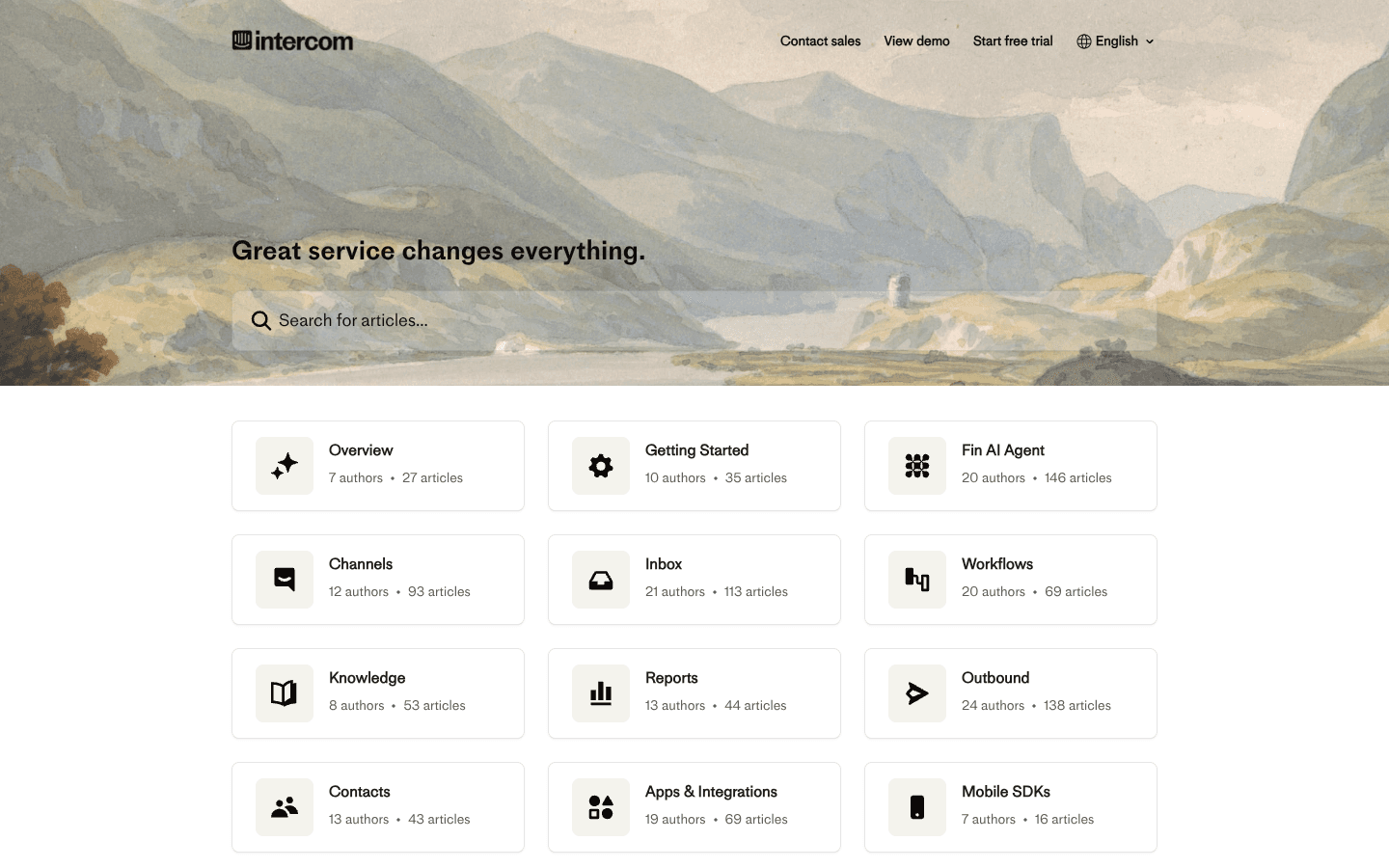
Intercom homepage · visit site
Zendesk
Ticketing-first: triggers, SLAs, views, agent workspace. Powerful once configured; slow to stand up.
Zendesk homepage · visit site
How these tools actually differ
Intercom optimises for conversation and product-led growth: chat, in-app messages, tours, and AI agents that sit next to the product. Startups with budget and a PLG motion often shortlist it first.
Zendesk optimises for structured support operations: tickets, views, triggers, SLAs, and agent productivity at scale. It shines when you have (or are hiring) people whose job is support ops.
Early-stage teams frequently buy one of these because the brand feels “serious,” then spend weeks configuring features they do not use. A flat-priced helpdesk with live chat and AI tabs covers the first 12–24 months for many micro-SaaS products.
Feature comparison
Honest side-by-side on what most teams evaluate first.
| Feature | Intercom | Zendesk |
|---|---|---|
| Startup entry price | From ~$74/mo | From ~$55/agent/mo |
| Pricing pressure as you hire | Seats + add-ons | Per agent |
| Setup time | Days–weeks | Often weeks |
| Live chat strength | Excellent | Good (add-ons/config) |
| Classic ticketing / SLAs | Good | Excellent |
| Marketing / product tours | ||
| AI cost model | Often add-ons | Often add-ons |
| Best early-stage fit | PLG with budget | Support-ops heavy teams |
| Overkill risk for 1–3 founders | High | High |
Seat math hits startups hard
Intercom’s entry messaging plans start around $74/mo before seats and AI. Growth features and Fin-class AI raise the bill quickly.
Zendesk Suite Team-style pricing around $55/agent/mo means a five-person support rotation is $275+/mo before AI add-ons — before anyone has configured triggers.
Neither is “bad.” Both are expensive relative to a $20–$40 flat helpdesk when your process is still “founders answer tickets.”
When to choose which
Choose Intercom if…
- In-app messaging and product tours are core to activation
- You want a single vendor for chat + outbound education
- Budget exists for seats and AI
- You are product-led and support volume is conversational
- You already trained the team on Intercom
Choose Zendesk if…
- You need formal SLAs and complex routing
- Email/ticket volume dominates over chat
- You will hire dedicated agents and an admin
- Compliance/process documentation matters
- You outgrew lighter tools and need enterprise workflows
Real-world scenarios
Pre-seed SaaS, two founders, ~50 tickets/month
Neither Intercom nor Zendesk is the efficient buy. A lighter tool (Userscom or similar) gets you chat + inbox + AI drafts without a configuration project.
Series A PLG product with activation drop-off
Intercom’s tours and messaging can justify the spend if you will actually run those programs — not just buy them “for later.”
B2B support with contractual SLAs
Zendesk’s ops model fits. Budget for admin time; the product rewards people who configure it.
The bottom line
Choose Intercom if product messaging and growth tools are core to your motion and budget allows. Choose Zendesk if you are building a formal support organisation with SLAs. Many startups need neither on day one — a flat-priced helpdesk with chat + AI tabs is enough until ticket volume or compliance demands more.
A third option for early startups
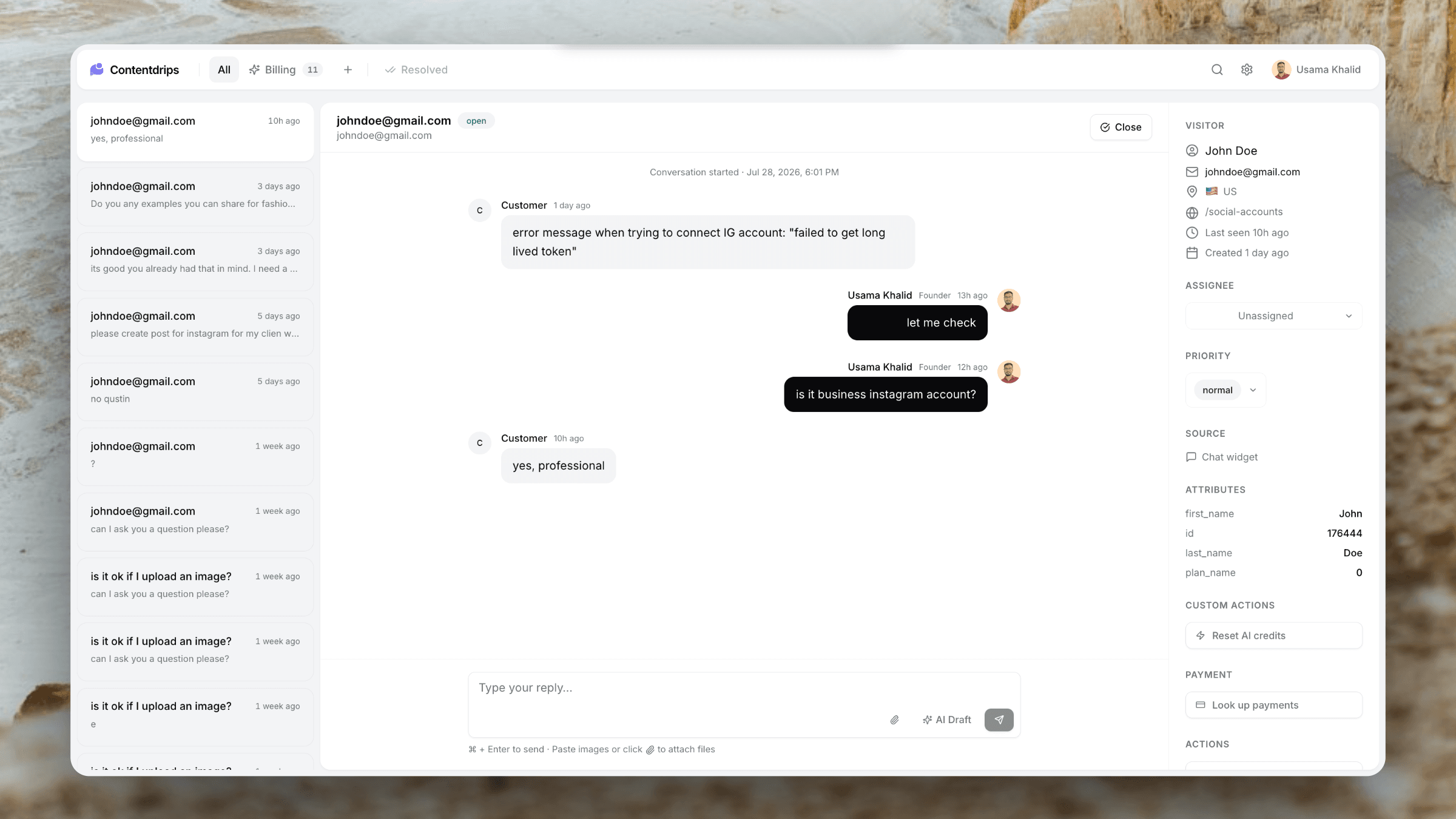
Userscom gives you live chat, AI organisation, draft replies, and Stripe/Paddle actions from $20/mo with a sub-30 KB widget — without Intercom or Zendesk seat math. Switch up when you outgrow it.
Try Userscom freeFAQ
Intercom fits product-led messaging; Zendesk fits structured support ops. Many early startups overbuy both — start lighter and upgrade when process demands it.
When you have multiple agents, SLA commitments, and someone to administer triggers/views. Before that, configuration cost dominates.
When chat plus outbound/product education is central and you can afford seats plus AI add-ons.
Some larger orgs do (Intercom for product messaging, Zendesk for tickets). That is an ops decision with real dual cost — rarely right pre-PMF.
A focused helpdesk with live chat, shared inbox, and light AI — Userscom is built for that stage. Re-evaluate Intercom/Zendesk when seat count, SLAs, or growth tooling clearly require them.
Usually not. AI features are frequently add-ons or higher tiers. Budget for them explicitly.